
As of October 23, 2026. This article provides general legal information, not legal advice.
A federal court in California Nurses Association, et al. v. Markwayne Mullin, et al., No. 26-cv-10680-AMO, issued a preliminary injunction on October 21, 2026, restricting certain DHS election-related field operations in nine states. The decision has drawn attention from naturalized citizens, mixed-status families, employers, and community organizations concerned about immigration status and voter eligibility.
The order is limited. It does not change immigration law, grant noncitizens permission to vote, or prevent every investigation into suspected unlawful voting. It addresses specified field operations and interviews, including those that may involve people whom DHS knows or reasonably should suspect are U.S. citizens. Its operational status also depends on later court action.
What the court ordered, and when
The court enjoined DHS and the other named defendants, along with people acting in concert with them, from conducting certain elections-related field operations and interviews in:
- California
- Connecticut
- Georgia
- Missouri
- Nevada
- New York
- Pennsylvania
- Washington
- Wisconsin
The restrictions apply to operations or interviews that involve, or are likely to involve, people whom officials know, suspect, or reasonably should suspect are U.S. citizens. The order also restricts field operations in those states that are based wholly on TECS records generated through DHS’s Voter Eligibility Matching Policy and directed at people in that citizen-related category.
The order was stayed until 5:00 p.m. Pacific Time on Friday, October 23, 2026. If operative, it is scheduled to remain in effect until 8:00 p.m. on Election Day, November 3, 2026, or until polls close, unless the court orders otherwise. The court also required plaintiffs to post a $100 bond by October 22 and stated that failure to post it would dissolve the injunction.
Because the order’s stay deadline has passed or is imminent as of this article’s date, and an appeal or other docket action could affect its status, readers should not assume that the injunction took effect or remains in force. Check the current court docket or consult an attorney before relying on the order as an active restriction.
Read the October 21 court order. Contemporary coverage is available from NPR and CBS News.
Why the judge granted preliminary relief
The lawsuit was brought by the California Nurses Association and National Nurses United, the City and County of San Francisco, the County of Santa Clara, and Voto Latino Foundation. Defendants include DHS, USCIS, ICE, CBP, and agency officials.
The court found that the nurses’ organizations had associational standing to pursue a Voting Rights Act claim concerning intimidation affecting voter assistance and mobilization. It concluded that plaintiffs were likely to succeed on that claim at this preliminary stage. The court cited concerns about flawed or incomplete matching data, the possibility that citizens could be wrongly identified, and the potential for field operations to deter people from helping others participate in elections.
The order does not represent a final judgment. The court did not resolve every claim or every question of standing. Nor did it hold that DHS cannot investigate actual unlawful voting. The judge expressly distinguished the authority to investigate unlawful voting from the challenged conduct and its potential effects on citizens and voter-assistance activity.

What the ruling means for immigration status
The injunction does not change the Immigration and Nationality Act, establish anyone’s immigration status, or grant or terminate a visa, green card, or citizenship. It concerns specified DHS and ICE field operations, not immigration enforcement in general.
The court discussed risks arising from the government’s matching process, including similar names, incomplete records, outdated citizenship information, and clerical errors. Naturalized citizens may be affected by data that does not accurately reflect their citizenship or the timing of events. A person’s immigration status, by itself, is not proof that the person registered or voted unlawfully.
Federal law generally prohibits noncitizens from voting in elections for federal office. See 18 U.S.C. § 611. That statute includes a limited exception related to voting solely in state or local elections where state or local law expressly authorizes it. A person who is not eligible to vote under applicable law should not register or vote. Anyone uncertain about eligibility should contact election officials or a qualified attorney before taking action.
If an agent contacts you
An interview, home visit, or other encounter can raise different legal issues depending on the location, the person’s immigration status, and whether the person is detained. The following steps are general safety measures, not a universal script or individualized legal advice:
- Stay calm and do not lie, obstruct, or destroy records.
- Ask whether you are free to leave. If you are not, ask whether you are being detained and why.
- You may ask whether the officers have a warrant. Do not physically resist if officers proceed.
- If you do not want officers to search, you may state that you do not consent. Do not physically interfere with a search.
- You may state that you wish to remain silent and request an attorney. The applicable rights and procedures depend on the circumstances.
- Do not sign documents you do not understand. Ask for a copy and time to obtain legal advice.
- As soon as practical, write down what happened, including the date, location, names or identifying details, and any documents provided. Contact counsel.

Practical steps for naturalized citizens and mixed-status families
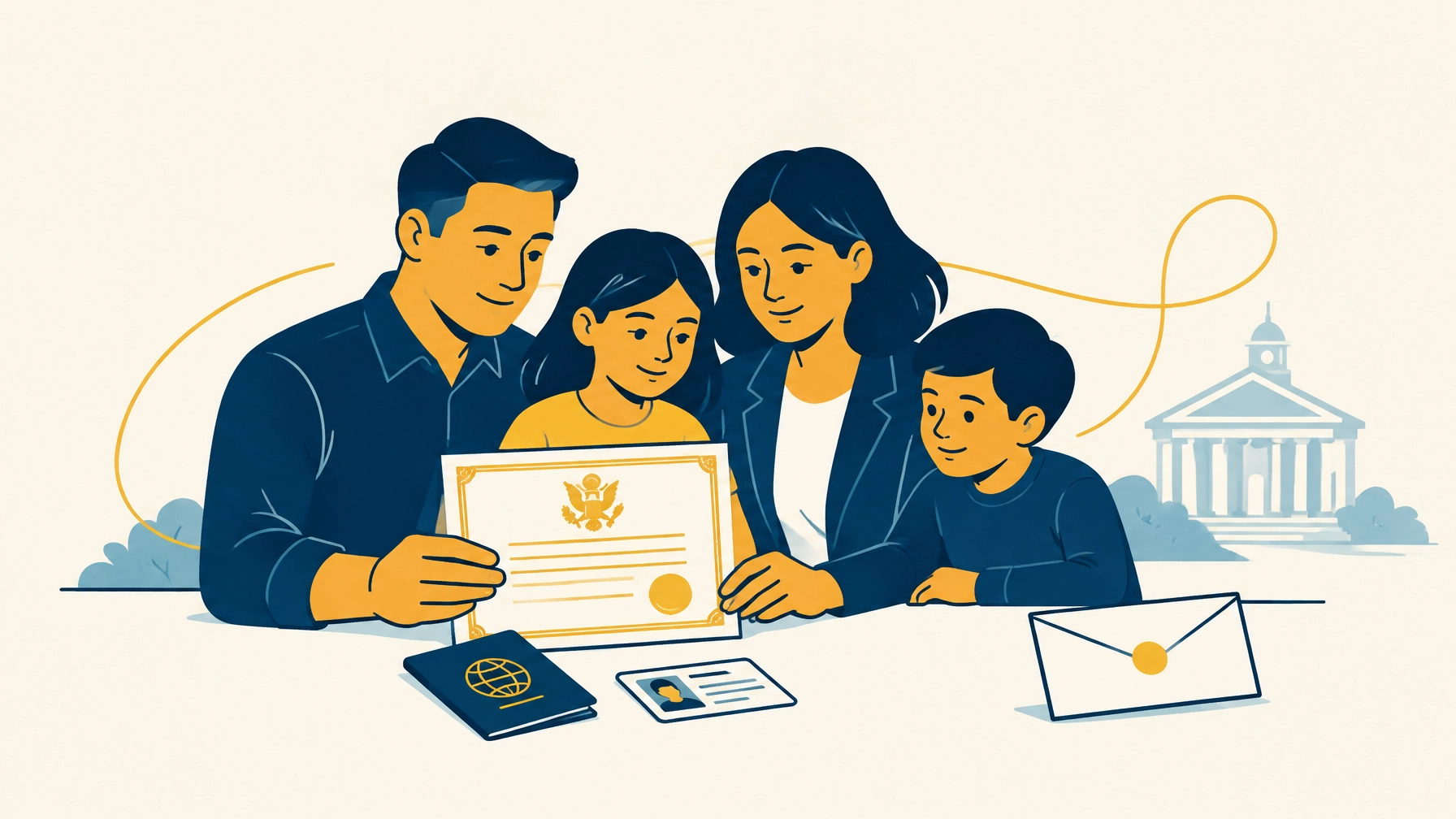
Naturalized citizens and family members may take reasonable steps to keep important records accessible without carrying original documents routinely. Consider storing these items securely:
- Certificate of Naturalization or other proof of citizenship
- Current identity documents
- USCIS notices and immigration records
- Name-change orders or other records connecting different names
Do not change voter-registration information solely because an agent made contact. Seek qualified advice first. Direct questions about registration or voting eligibility to the appropriate election office or legal counsel. If you are concerned about a past registration or vote, request a confidential attorney review promptly. Do not assume that an investigation automatically changes immigration status or affects citizenship.
A DHS investigation does not automatically revoke naturalization or make a citizen deportable. Denaturalization generally requires government civil judicial proceedings under INA § 340, codified at 8 U.S.C. § 1451. In limited circumstances, a criminal process under 18 U.S.C. § 1425 may result in revocation. The legal requirements are specific, and an investigation alone is not a revocation.
Note for employers and HR teams
Voter-investigation activity does not change employer obligations under Form I-9 rules. Employers should continue to follow USCIS procedures for employment eligibility verification. Do not request additional or different documents because of an employee’s national origin, citizenship, or an agent encounter. Avoid over-documentation and consult counsel before taking adverse employment action. See USCIS I-9 Central.

Getting case-specific guidance
This preliminary injunction is narrow, time-limited, and subject to further court action. The court’s decision does not establish that every DHS investigation is unlawful, nor does it alter voting eligibility or immigration status. People contacted by agents, concerned about a prior voting issue, or seeking naturalization guidance should obtain advice based on their individual circumstances.
Blasingame Law LLC provides personalized immigration guidance backed by 30 years of experience in corporate and private practice. Learn about our immigration services or contact our office to discuss your situation.
This post is for general informational purposes only and does not constitute legal advice or create an attorney-client relationship.